
Hardwood vs Engineered Flooring
Choosing the right type of flooring for your home is a big decision, as it affects not only the look and feel but also the value of your space. Two options that often get considered are hardwood vs engineered.
Both have their own features and benefits, and knowing the details of each will help you decide.
What’s the difference of hardwood vs engineered flooring?
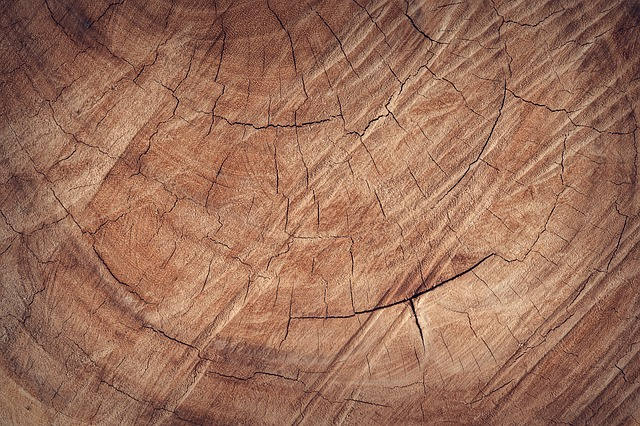
engineered wood floors – wood manufacturing processes
Solid Wood Flooring
Solid wood flooring is a classic choice for many. It’s considered the gold standard of flooring materials because of its authentic and natural look. Solid hardwood is exactly what it says – solid wood.
It’s made from a single piece of timber, usually a hardwood species like oak, maple, cherry, or walnut.
Each plank is a solid, one piece of wood, showing the grain pattern and character of the wood species.
Benefits of Solid Hardwood Flooring
-
- Timeless Look: Solid wood has a timeless, sophisticated look that can work with any interior style. It adds warmth and character to your space and makes it feel welcoming and cozy.
- Durability: Solid hardwood is durable and can last for generations if maintained properly. It can be sanded and refinished several times to get it back to its original look, making it a long-term investment.
- Resale Value: Homes with solid hardwood flooring have higher resale value. Buyers love the quality and beauty of real wood, it’s a selling point.
- Environmentally Friendly: When sourced from responsibly managed forests and certified by organizations like the Forest Stewardship Council (FSC), solid hardwood can be environmentally friendly, promoting sustainable wood harvesting practices.
To keep your solid wood floors in good condition, you need to follow a maintenance routine.
Regular Cleaning
- Sweep or Vacuum: Remove dirt and debris by sweeping or vacuuming your solid hardwood floors. This prevents scratches and keeps the surface clean.
- Damp Mopping: For a deeper clean, use a damp (not wet) mop. Be careful not to use too much water, which can seep into the seams and damage the floor.
Preventive Measures
- Area Rugs and Mats: Place rugs and doormats in high-traffic areas to minimize wear and protect the finish.
- Felt Pads: Attach felt pads under the legs of your furniture to prevent scratches when moving or rearranging.
- Trim Pet Nails: If you have pets, make sure their nails are trimmed to prevent them from scratching the hardwood surface.
Periodic Refinishing
To keep your solid hardwood floor looking its best, consider sanding and refinishing every 5-10 years or as needed. This removes scratches and rejuvenates the finish.
Environmental Considerations
Use low-VOC (volatile organic compounds) wood cleaners to minimize chemical exposure and have a healthier indoor environment.
Engineered Hardwood Flooring
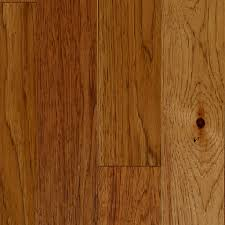
It has a top layer of hardwood veneer, which gives the authentic wood look and feel. Beneath the veneer is a core of plywood or high-density fiberboard (HDF).
The layers are bonded under pressure to create a solid product.
Benefits of Engineered Hardwood Flooring
-
- Moisture Resistance: One of the benefits of engineered hardwood is its increased moisture resistance. It’s perfect for areas that are prone to humidity, like kitchens, bathrooms, and laundry rooms.
- Versatility: Engineered hardwood construction gives more installation options. It can be glued, stapled, or floated; it’s versatile and can fit any installation method.
- Cost-effective: Engineered wood is more budget-friendly than solid hardwood. It’s the look of wood at a lower price point.
- Easy Installation: The tongue and groove system makes installation easier; it’s a DIY friendly project for those with home improvement skills.
Engineered hardwood is low maintenance, but still needs to be taken care of to last.
Engineered hardwood flooring is relatively low-maintenance, but it still requires proper care to ensure longevity.
Regular Cleaning
- Sweep or Vacuum: Remove dirt and dust by cleaning your engineered hardwood floors. This keeps the surface clean and free of debris.
- Damp Cleaning: For a deeper clean, use a damp cloth or mop. But avoid too much water, which can cause damage or warping.
Protect from Damage
- Area Rugs and Mats: Place rugs and mats in high-traffic areas to minimize wear and protect the floor from scratches and scuffs.
- Felt Pads: Attach felt pads under the legs of your furniture to prevent scratching or denting.
Avoid Too Much Humidity
Keep indoor humidity levels within the recommended range to prevent engineered hardwood from warping or buckling. A humidifier or dehumidifier may be needed.
Refinishing
Engineered hardwood can be sanded and refinished, but the number of times it can be refinished depends on the thickness of the top veneer layer. Thicker veneer layers mean more refinishing options.
Hardwood vs Engineered Hardwood
Let’s compare solid hardwood and engineered hardwood now. We’ll cover everything you need to know to make an informed decision:
Construction
Solid Hardwood: Solid hardwood is made of one wood species; it’s authentic and timeless. Each plank is a solid, uniform piece of wood that shows the unique grain patterns and characteristics of the wood.
Engineered Hardwood: Engineered hardwood has a top layer of hardwood veneer and a core of plywood or HDF. This construction gives more stability and moisture resistance; it’s versatile and practical.
Installation
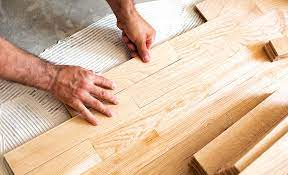
Solid Hardwood: Solid hardwood installation involves nailing or stapling the planks to the subfloor. This requires professional assistance as it needs special tools and expertise.
Engineered Hardwood: Engineered hardwood is more versatile when it comes to installation. It can be glued, stapled, or floated, so it’s more DIY friendly for those with some home improvement skills.
Moisture Resistance
Solid Hardwood: Solid hardwood is prone to moisture damage and not suitable for areas with high humidity or moisture exposure.
Engineered Hardwood: It’s moisture-resistant, so it’s perfect for areas with high humidity and moisture like bathrooms and kitchens.
Cost
Solid Hardwood: Solid hardwood is generally more expensive, material and installation-wise. But it’s long-term value and worth the investment.
Engineered Hardwood: Engineered hardwood is more cost-effective, so it’s a great choice for budget-conscious consumers who want to have the look and feel of real wood.
Refinishing
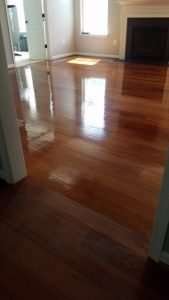
Solid Hardwood: One of the best features of solid hardwood is that it can be sanded and refinished multiple times, and you can restore its original look when needed. This is proof of its long-term durability.
Engineered Hardwood: Engineered hardwood can also be sanded and refinished, but the number of times it can be refinished depends on the thickness of the top veneer layer. Thicker veneer layers mean more refinishing options.
Sustainability
Solid Hardwood: Solid hardwood can be an eco-friendly choice when sourced from responsibly managed forests and certified by organizations like the Forest Stewardship Council (FSC). This means the wood is harvested ethically and sustainably.
Engineered Hardwood: It uses less hardwood in its construction, so it’s a good choice for those who are concerned about wood conservation and sustainable practices.
FAQs
What’s the main difference between solid and engineered hardwood flooring?
Solid hardwood is made of solid wood and is uniform throughout. Engineered hardwood has a top layer of real wood but has a core of plywood, more stable and moisture resistant.
Which is more cost-effective, solid hardwood or engineered wood planks?
Engineered hardwood is more cost-effective, material and installation-wise, so it’s a great choice for many homeowners.
Can I install engineered wood planks myself, or should I hire a professional?
Engineered hardwood is DIY friendly because of its versatile installation methods, including gluing, stapling, or floating. Solid hardwood requires professional installation.
Is engineered hardwood as durable as traditional hardwood, and can it be sanded and refinished?
Both solid and engineered hardwood are durable, but solid hardwood can be sanded and refinished more times, so it’s a long-term investment. Engineered hardwood can also be refinished, but the number of times depends on the thickness of the top veneer layer.
Which type of wood flooring is more moisture and water-resistant?
Engineered hardwood is more moisture-resistant, so it’s suitable for areas with higher humidity, like kitchens and bathrooms. Solid hardwood is more prone to moisture and is not recommended for these areas.
Summary
Solid hardwood and engineered hardwood has its own charm and advantages. Choose what suits your needs, style, and long-term plans for your home.
Whether you choose the classic look of solid hardwood or the flexibility of engineered hardwood, you will definitely add warmth and character to your space and make it more beautiful and comfortable.
See Our Healthy Home Blog Articles:
How To Remove Gum From Your Carpet
Detailed Guide To Hardwood Flooring Type
Clean Laminate Flooring: Astrobrite’s Best Cleaning Tips
Also see hardwood versus engineered hardwood, engineered wood flooring northern virginia, hardwood floor refinishing stafford va